A new brand can look exceptional and still disappear online.
That is the hard truth behind many launches. Founders invest in naming, identity, packaging, and a polished website, then assume search visibility will follow. It rarely does. SEO for new brand launch is not something you add after the reveal. It should shape how your site, messaging, and content are built from the start.
If your launch is approaching, the real question is not whether you need SEO. It is whether your brand will be discoverable when the people you want are actively searching.
“Build a Strong SEO Foundation Before You Launch.”
Most brands fail not because of design, but because they are invisible at the moment they go live. Learn how to structure your visibility from day one.
Start Building Visibility →Why SEO for a new brand launch starts before design is finished
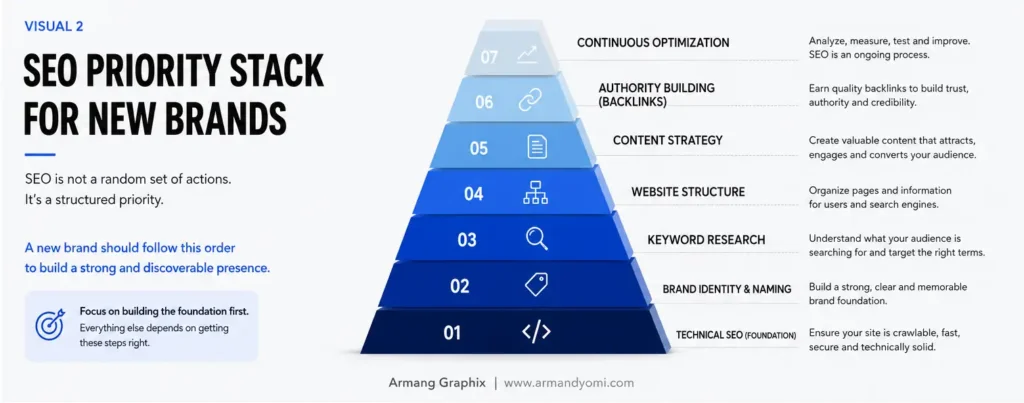
Brand launches often treat SEO as a technical checklist for later. That creates friction fast. A beautiful site can still be poorly structured, thin on search intent, and disconnected from the language real customers use.
Search engines do not rank aesthetics. They rank clarity, relevance, structure, and trust. Your visuals matter because they shape perception, but they need supporting architecture. That means your page hierarchy, service language, page titles, on-page copy, and internal logic should be considered while the brand is being developed, not after everything is locked.
This is where many startups lose momentum. They build for presentation first and discovery second. The result is a launch that feels complete but cannot capture demand.
A stronger approach is to treat SEO as part of brand strategy. The way you describe your offer, organize your pages, and frame your value should serve both human perception and search behavior. Design that tells your story is powerful. Strategy that grows your brand gives that story reach.
What SEO for new brand launch should accomplish
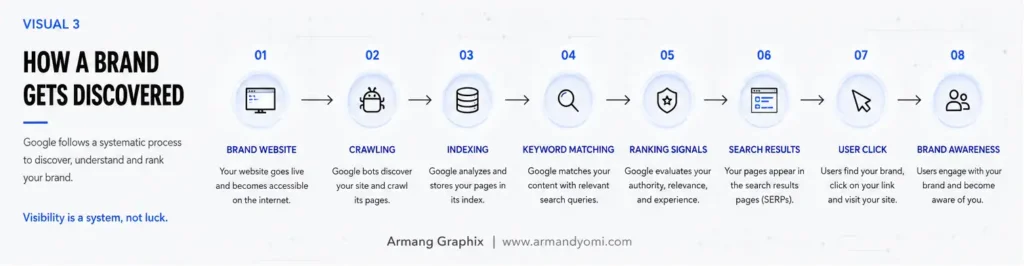
At launch, SEO is not about chasing every keyword in your market. It is about building a clean foundation that allows your brand to grow authority over time.
First, your site should help search engines understand who you are, what you offer, and who you serve. Second, it should give early visitors a clear path from discovery to action. Third, it should create space for future content, category expansion, and local or niche visibility.
That means your launch SEO should focus less on volume and more on precision. Ranking for broad, competitive terms may take time. Ranking for focused, high-intent searches tied to your offer, geography, or audience is often more realistic.
A new skincare brand, for example, should not expect immediate visibility for a term like “skincare.” But it may gain traction through product-specific pages, ingredient-focused education, branded search, and content that reflects how customers actually shop.
Start with search language, not internal language
Many new brands fall in love with their own vocabulary. That is understandable. Naming and positioning are creative acts. But search performance suffers when brand language becomes too abstract.
If your homepage says you create “immersive growth ecosystems” but your audience is searching for “email marketing agency” or “brand designer for startups,” there is a disconnect. Distinctive branding matters, yet it should not obscure meaning.
Before launch, map the language people use at three levels. There is the branded level, which includes your business name and product names. There is the category level, which covers what you actually sell. Then there is the problem or outcome level, which reflects what people want solved.
Strong launch SEO uses all three. Your brand voice can stay polished and original, but your page copy should still make your offer unmistakable.
Build the right page structure from day one
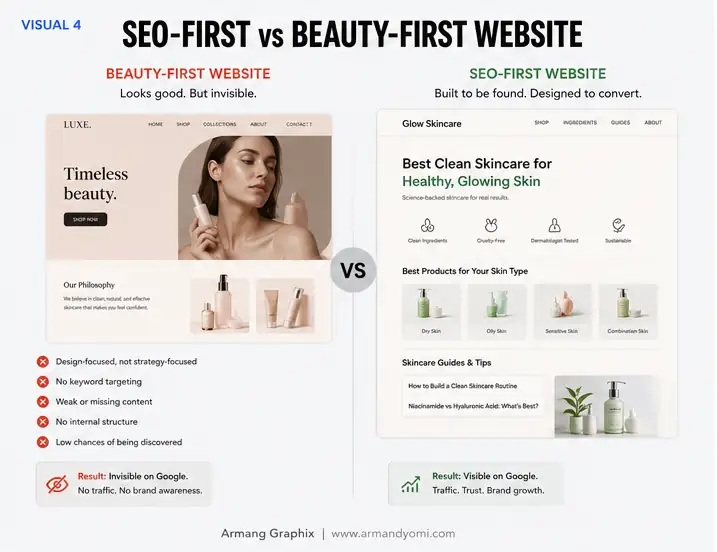
New websites often launch too small or too vague. A single homepage and contact page might look elegant, but it usually leaves little room for search visibility.
Your site structure should reflect your business model. If you offer multiple services, they likely need dedicated pages. If you sell different products or collections, they need their own categories and descriptive copy. If location matters, local landing pages may make sense. If your audience asks recurring questions, resource content may support both SEO and trust.
This does not mean publishing dozens of weak pages. Thin content can do more harm than good. It means building enough structure for search engines to understand your relevance and enough depth for users to feel confident.
A thoughtful launch structure often includes a homepage, primary service or product pages, an about page with real positioning, and a small set of supporting content. That content might explain your process, answer key buying questions, or address market-specific concerns.
Technical basics matter more at launch than people think
You do not need an overengineered SEO setup to launch well. You do need the fundamentals done correctly.
Your site should be crawlable, fast, mobile-friendly, and indexable. Title tags and meta descriptions should be intentional, not duplicated or auto-generated. URLs should be clean. Heading structure should make sense. Images should be compressed and named clearly. Schema can help, especially for organizations, products, services, and local businesses, but only when implemented accurately.
This is also the moment to avoid preventable mistakes. Launches often go live with no index tags accidentally left in place, broken redirects, missing analytics, or pages blocked from search. These are not glamorous problems, but they can quietly erase momentum.
For businesses building a new brand identity and website at the same time, technical SEO should be part of the production process, not a rushed handoff at the end.
Brand storytelling and SEO should support each other
SEO copy does not need to flatten your brand. In fact, the strongest launch content often performs because it combines strategic clarity with a point of view.
A new brand has an advantage here. You are not burdened by years of inconsistent messaging. You can shape your narrative and search presence together.
That starts with your homepage. It should communicate what you do fast, but it should also create emotional traction. Your service pages should answer practical questions, yet still sound like your brand. Your about page should not read like a generic founder bio. It should clarify your perspective, your value, and why your approach is different.
For visual brands especially, this balance matters. Design can create desire. Search-focused messaging can capture demand. When both work together, your launch feels coherent instead of split between beauty and utility.
Do not rely on a homepage to rank for everything
This is one of the most common launch mistakes. Founders try to make the homepage carry every message, every keyword, and every conversion path. It usually becomes crowded and underperforms.
Search engines prefer specificity. Users do too. If someone is looking for logo design, event branding, product packaging, or local SEO support, a dedicated page gives you a better chance to match intent than a general homepage paragraph.
The homepage should establish the brand and direct people deeper. Supporting pages should do the heavier ranking work. This is especially useful if your business combines creative and marketing services, where different audiences may enter through different searches.
Content should begin early, even if it begins small
A brand-new website has limited authority. That means content can play an important role in earning relevance over time. But content does not need to mean publishing endlessly.
At launch, a focused content plan is enough. A few strong pieces can do more than a bloated blog with no strategy. Think about what your customers need before they buy. They may compare options, search for pricing expectations, explore process questions, or look for proof that you understand their industry.
Content built around those moments can support both SEO and conversion. It also gives your brand more ways to show expertise beyond sales copy.
For example, a new design-driven business could publish thoughtful pieces on packaging decisions, rebrand timing, or how visual identity affects trust. A product brand could create educational content around use cases, materials, or category comparisons. The key is relevance. Publish what helps your audience move forward.
Local visibility may matter more than you expect
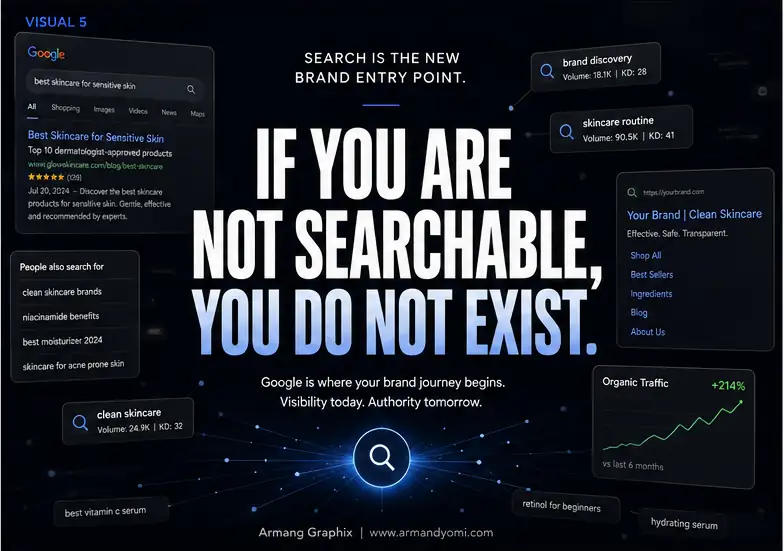
Not every new brand is local-first, but many service businesses benefit from early local SEO signals. If your reputation, consultations, or delivery area are tied to a city or region, that should be reflected clearly.
For a business serving Calgary, local optimization can help connect with founders and growing companies looking for nearby strategic support. That does not mean stuffing city names into every line. It means using location where it adds context, building a complete business profile, and aligning your site content with real local intent.
If your market is national or international, local SEO may still support trust while broader pages target larger audiences. It depends on how your business sells, who your clients are, and where credibility is built fastest.
Measure the right signals after launch
A new brand should not judge SEO by rankings alone in the first few weeks. Early signals matter too. Are your pages indexed? Are branded searches increasing? Are people landing on the right pages? Are they staying, clicking, and contacting you?
SEO for new brand launch is partly about visibility, but it is also about fit. The right traffic matters more than random traffic. A site that attracts fewer visitors but stronger leads is in a better position than one chasing vanity metrics.
As data comes in, your messaging, page structure, and content can evolve. That is normal. Good SEO is not static. It becomes sharper as your audience reveals what they respond to.
Launching a brand is a creative milestone, but search gives that work a longer life. If your brand is being built now, make sure people can find it when interest turns into intent. That is where thoughtful SEO stops being a marketing add-on and starts becoming part of the brand itself.
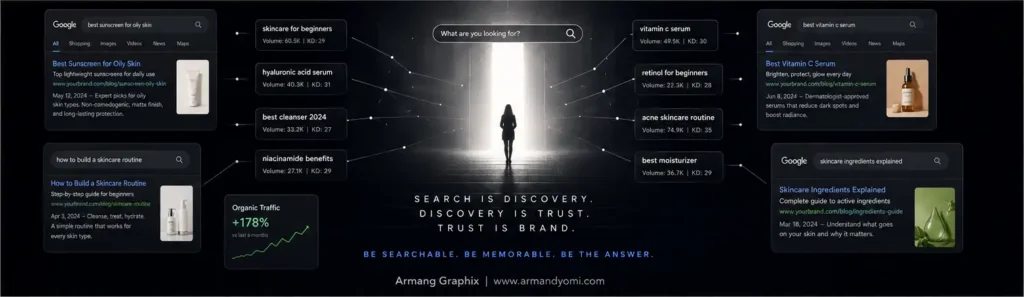
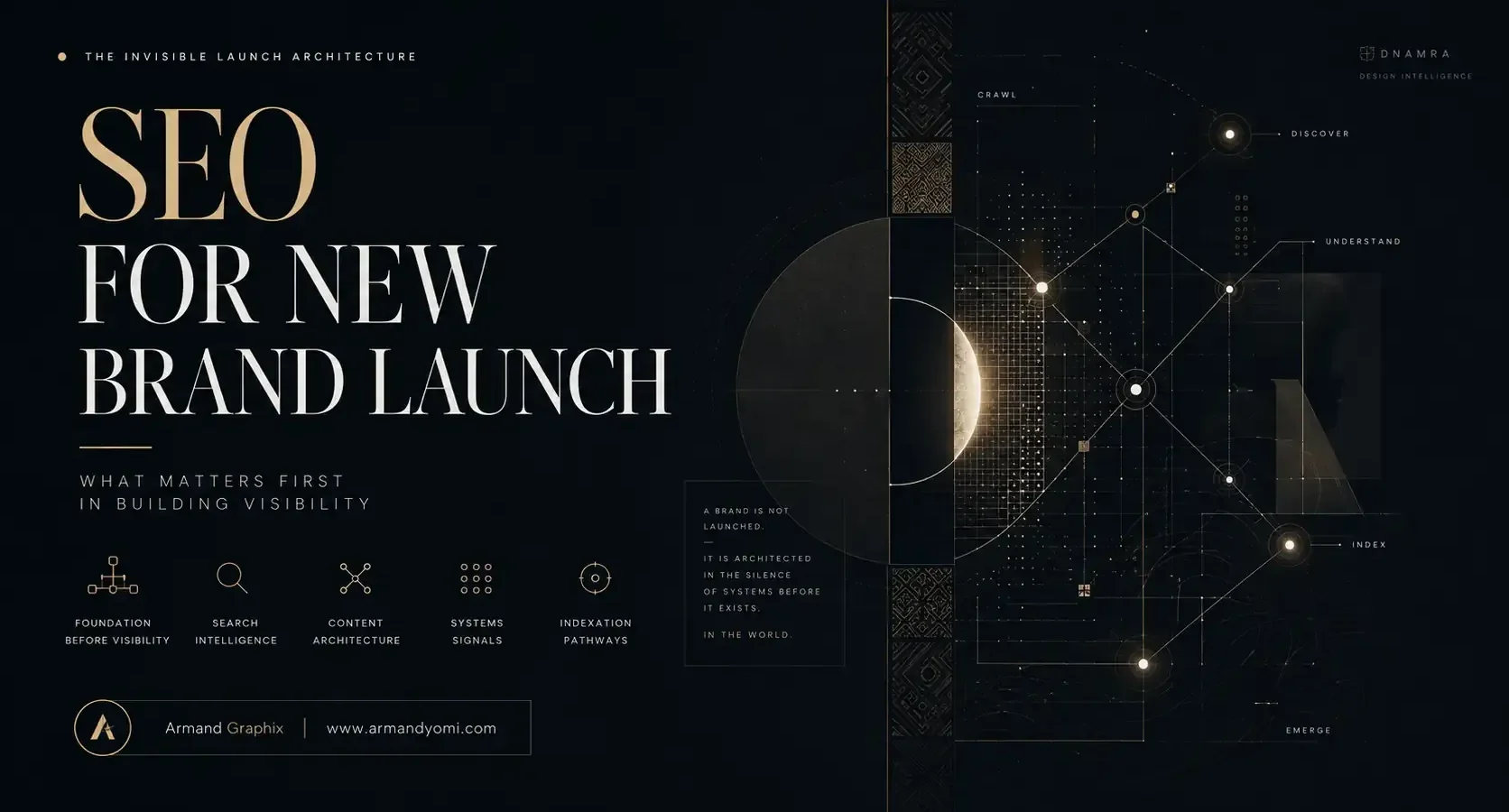
“Understand What Actually Drives Brand Visibility.”
SEO is not a post-launch tactic — it is a pre-launch architecture. Discover the essential steps that make your brand discoverable from day one.
Explore the Framework →- WordPress Versus Custom Websites for Growing Brands
 WordPress versus custom websites: compare cost, speed, control, SEO, and growth to choose a site that supports your brand and business goals clearly.
 - What Does Brand Strategy Include for Growth?
 What does brand strategy include? Learn the research, positioning, identity, messaging, and marketing choices that turn a business into a distinct brand.
 - Packaging Design Guide for Retail Brands
 A packaging design guide for retail brands: build shelf impact, meet production realities, and turn a first glance into a confident purchase decision.
 - Multicultural Branding Trends 2026 for Modern Brands
 Multicultural branding trends 2026 will reward brands that pair cultural intelligence, inclusive design, and local relevance with measurable, real growth.
 - Custom Logo vs Template: What Fits Your Brand?
 Custom logo vs template: compare cost, speed, ownership, and brand impact to choose an identity that builds your launch, growth, and reputation today.
 - What Is a Visual Identity? Design That Builds Trust
 What is a visual identity? Learn how logos, color, typography, and systems create recognition, trust, and stronger brand growth for ambitious businesses.