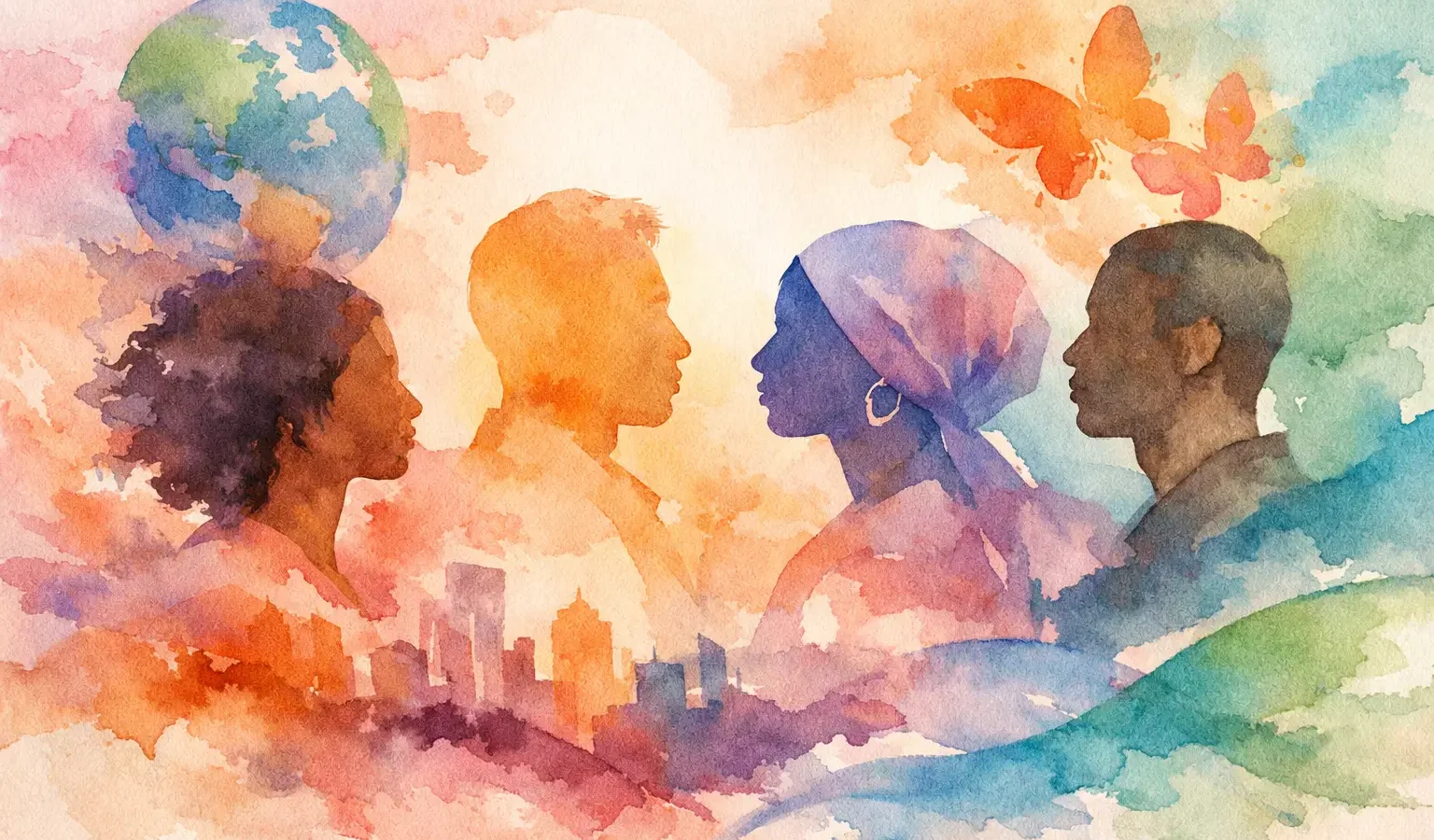
A brand can be visible everywhere and still feel like it was made for no one. That is the real pressure behind multicultural branding trends 2026. Audiences are not asking brands to add more flags, translated headlines, or stock-photo diversity. They are judging whether a brand understands the values, references, languages, and lived realities that shape their choices.
For founders, this raises the standard. Brand identity is no longer just a mark, color palette, and campaign plan. It is a system of signals. Every typeface, image, product name, community partnership, and customer touchpoint says something about who belongs in the story.
Multicultural Branding Trends 2026: From Representation to Relevance
The most meaningful shift is simple: representation without relevance is no longer enough. A campaign may feature a diverse cast and still miss the audience if its voice, visual language, or point of view feels generic.
In 2026, multicultural branding will reward brands that build cultural intelligence into their strategy before the creative work begins. That means understanding what a community values, what it rejects, what language feels natural, and what visual cues carry weight. It also means accepting that one broad campaign is not always the smartest answer.
For a growing business, this is a commercial opportunity as much as a creative responsibility. People are more likely to trust brands that make them feel seen without turning their identity into a marketing device. Trust improves consideration. Consideration improves conversion. The design work and the growth work become part of the same system.
Identity systems will become more flexible
Static branding is giving way to responsive identity systems. The core brand remains recognizable, but its expression adapts across audiences, markets, and moments. A logo does not need to change for every group. The surrounding visual language may need to.
That could mean using different photography direction, typographic hierarchy, illustration styles, or messaging emphasis for distinct audiences. A food brand, for example, may keep its central identity while allowing regional packaging stories to highlight heritage, ingredients, or rituals that matter to particular customers.
The trade-off is consistency. Too much variation can make a young brand feel fragmented. The answer is not to produce endless versions of everything. It is to define what is fixed – the brand promise, core symbols, voice principles, and quality standard – then identify what can flex with context.
Cultural insight will shape the brief, not decorate the campaign
The strongest work begins before mood boards and mockups. It begins with better questions. Who is this audience beyond age and income? What does status look like in their community? What traditions, aspirations, humor, or tensions influence the category? What has this audience already seen too many times?
This matters especially for businesses expanding beyond their original customer base. A direct translation of copy can be grammatically correct and culturally flat. A familiar visual reference can have a completely different meaning across regions or generations. Even color carries different associations depending on context.
Cultural research does not require a massive corporate budget. Small businesses can learn through customer interviews, community listening, social comments, local events, sales patterns, and conversations with cultural advisors. The key is to treat the findings as strategic input, not a final approval step after the design is finished.
Co-creation will matter more than casting
Expect more brands to collaborate with photographers, illustrators, writers, creators, and community leaders who bring lived knowledge to the work. This is more valuable than hiring a diverse face for a finished campaign and calling it inclusive.
Co-creation changes the quality of the result. It can reveal better stories, sharper language, and details an outside team might miss. It also creates a more credible connection between the brand and the audience.
That said, collaboration should be paid, credited, and meaningful. Asking people to validate a campaign without authority or compensation is not partnership. It is extraction. Brands that want long-term community trust need to build relationships before they need a launch post.
Language design will become a brand advantage
Multilingual branding is not simply a translation project. It is a design discipline. Word length changes layouts. Reading direction changes hierarchy. Tone, idioms, and formality change how a message lands. Some languages demand more visual space, while others can transform a concise phrase into something awkward when translated word for word.
In 2026, better brands will design language into the identity system early. Packaging, websites, signage, social templates, and paid ads should be tested for how they accommodate multiple languages without looking crowded or secondary.
Typography will carry more strategic weight here. A typeface may be visually beautiful but fail to support the characters, accents, or scripts a brand needs. Choosing type with appropriate language coverage and cultural sensitivity is not a technical footnote. It protects clarity and signals respect.
For a local business in a diverse city such as Calgary, language choices should follow actual audience behavior. Not every brand needs to communicate in five languages. But if a meaningful share of customers searches, shops, or asks questions in another language, ignoring that reality leaves value on the table.
Heritage will be expressed with more restraint
Heritage-led design is growing, particularly in food, beauty, fashion, hospitality, and lifestyle categories. Customers are drawn to brands with a real point of view and a story rooted in place, family, craft, or culture. But heritage cannot be reduced to ornamental patterns and predictable visual shorthand.
The more effective approach is to identify the deeper idea behind the heritage. It may be generosity, celebration, preservation, craftsmanship, migration, resilience, or a specific way of gathering. These ideas can shape the brand voice, packaging materials, photography, service experience, and digital content in ways that feel original.
A heritage-inspired pattern may have a place, but it should not be the entire strategy. If the visual identity relies on one recognizable cultural symbol, it risks looking like a costume. Brands earn distinction by turning a true story into a contemporary experience, not by reproducing the most obvious visual reference.
Generational nuance will challenge easy assumptions
A first-generation customer and a third-generation customer may share heritage while wanting very different things from a brand. One may value continuity and tradition. Another may be drawn to reinvention, cultural fusion, or a more understated connection to their background.
This is why multicultural marketing cannot treat communities as single blocks. Identity intersects with generation, geography, class, faith, language, and personal taste. Broad audience labels can guide research, but they are not a substitute for insight.
The practical implication is to build campaigns around specific audience tensions rather than broad demographic categories. A message about balancing family tradition with a modern lifestyle is more human and useful than a generic attempt to appeal to an entire cultural group.
AI will increase the value of human judgment
Generative tools will make it faster to produce campaign variations, localize assets, and test messaging. That speed can help smaller brands compete. It can also multiply mistakes when teams use AI-generated visuals, slang, or cultural references without expert review.
AI systems often reproduce stereotypes because they reflect patterns in their training data. They may flatten cultural dress, create inaccurate scripts, or generate imagery that looks polished but feels false. The risk is not only reputational. It can weaken a brand’s own creative distinctiveness.
Use AI to accelerate production, organize research themes, or explore early concepts. Do not use it as the final authority on cultural meaning. Human direction, community feedback, and strong art direction remain the difference between fast content and credible brand communication.
Measure belonging alongside performance
Multicultural branding should be accountable to business outcomes, but not every useful signal appears immediately in a sales dashboard. Alongside traffic, conversion rate, and return on ad spend, watch for qualitative indicators: the language customers use in reviews, repeat engagement from target communities, comments that show recognition, and the kinds of stories people share about the brand.
You can also test creative work by segment, provided the data is handled responsibly. A message that performs well overall may underperform with the audience you most want to reach. A smaller, culturally specific campaign may produce fewer impressions but much stronger purchase intent and loyalty.
The goal is not to chase identity categories for their own sake. The goal is to learn where your brand earns relevance and where it still feels distant. Strategy that grows your brand depends on both kinds of evidence.
Build a brand people can recognize themselves in
The brands that stand out in 2026 will not try to speak to everyone in the same voice. They will develop a clear story, then express it with enough intelligence and flexibility to meet people where they are.
Start with the audience closest to your business. Listen for the values beneath their buying decisions. Turn those insights into sharper language, more intentional design, and marketing that feels like a conversation rather than an interruption. Design that tells your story becomes more powerful when customers can see a part of their own story in it too.