A polished logo can make a strong first impression. A smart tagline can sharpen your message. But if the experience behind them feels inconsistent, the brand starts to blur. That is where the real question begins: what is branding and identity, and why do so many businesses confuse the two?
Branding and identity are connected, but they are not interchangeable. One is the full perception of your business in the minds of your audience. The other is the system of visual and verbal elements that expresses that perception. If you are building a startup, refreshing a small business, or trying to present your company more professionally, understanding the difference can save you from expensive design decisions that look good but do not move the brand forward.
What is branding and identity in simple terms?
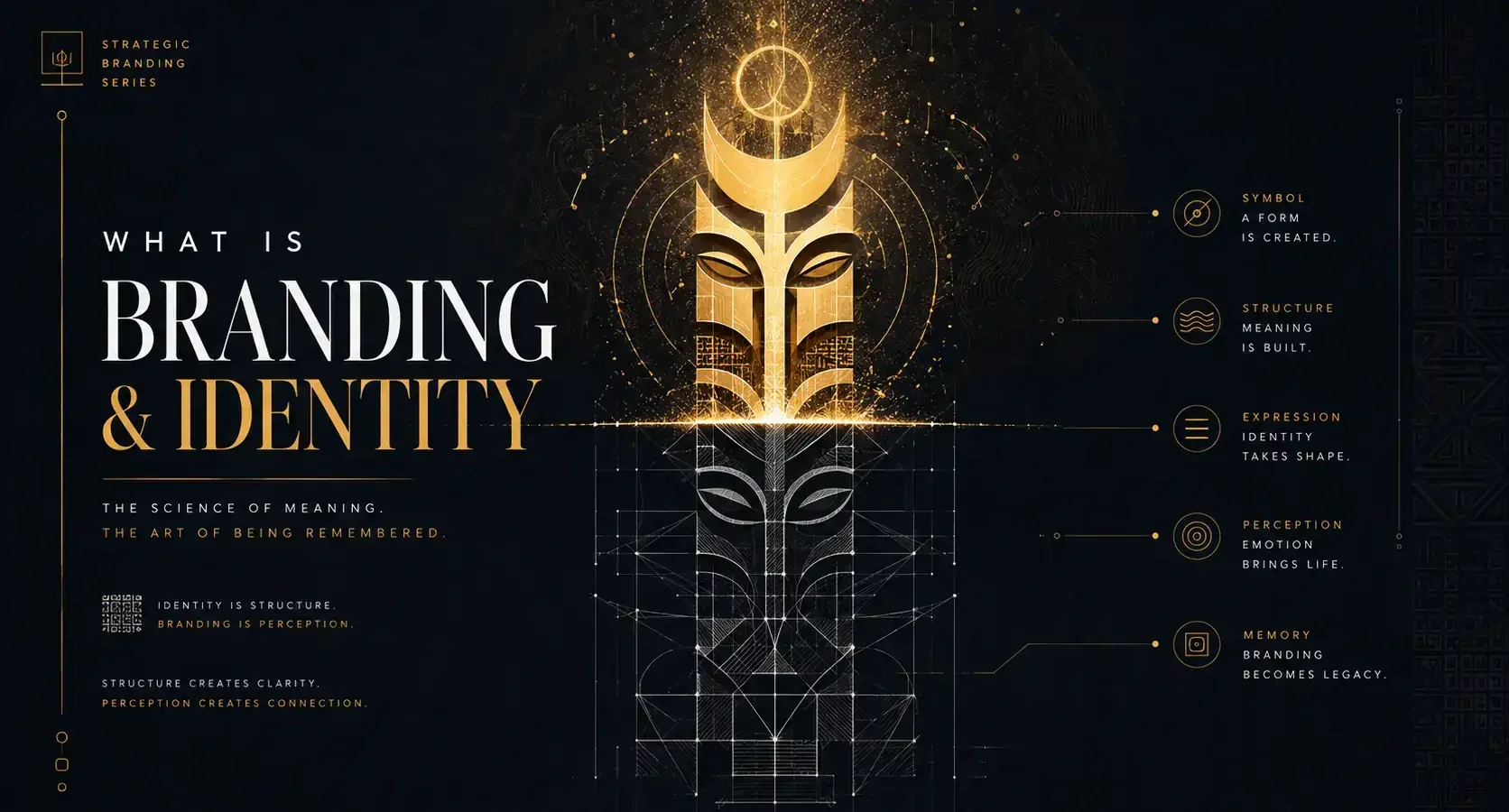
Branding is the big picture. It includes your positioning, your personality, your promise, your reputation, and the emotional impression people carry after interacting with your business. It lives in your visuals, but it also lives in your customer experience, your messaging, your offer, and the way people talk about you when you are not in the room.
Identity is the expression layer. It is the set of recognizable assets that give your brand a face and a voice. That usually includes your logo, typography, color palette, imagery style, tone of voice, packaging, layouts, and digital presentation. Identity makes branding visible.
A simple way to think about it is this: branding is what people feel and believe about your business. Identity is how you help shape and communicate that feeling.
This distinction matters because many businesses invest in identity before they have clarity on branding. They commission a logo, pick colors, and launch a website, but the underlying strategy is still vague. The result is often attractive work that lacks direction. It may look professional, but it does not feel memorable or differentiated.
Branding is strategy before it is style
Good branding starts with choices. Who are you for? What do you want to be known for? What problem do you solve better than others? What emotional territory do you want to own? These are strategic questions, not decorative ones.
If your business says it serves everyone, your branding becomes generic. If your message sounds like every competitor in your category, your identity has to work twice as hard to create distinction. Design can elevate a brand, but it cannot compensate for a weak position.
Strong branding creates alignment between what you say, what you show, and what people experience. That alignment is where trust begins. A premium service brand should not sound uncertain. A bold, culture-driven product should not look timid. A business focused on growth should not present itself with outdated visuals and inconsistent messaging.
This is why branding is often less about invention and more about clarity. The strongest brands are not always the loudest. They are the most coherent.
What brand identity actually includes
When people hear the word identity, they often think only of the logo. That is understandable, but incomplete. A logo is one marker within a broader identity system.
A strong identity includes visual consistency across every touchpoint. Typography influences how formal, modern, or expressive your brand feels. Color choices affect recognition and emotional tone. Photography and graphic elements shape mood. Layouts create rhythm and professionalism. Your verbal identity matters too, because the language on your website, packaging, social captions, and campaigns all contributes to how the brand is understood.
Identity works best when it is built as a system, not a collection of isolated assets. That system should hold up across a business card, a landing page, an Instagram post, a retail package, and a pitch deck without feeling fragmented.
That does not mean every brand needs an elaborate identity package on day one. A startup may begin with a lean system and expand over time. A growing company may need a more structured set of brand guidelines because more people are now creating materials. The right depth depends on stage, budget, and ambition.
The difference between looking branded and being branded
Many businesses look branded. Fewer are actually branded in a strategic sense.
Looking branded means you have a polished logo, a decent website, and a few consistent visuals. Being branded means your audience can quickly understand who you are, what makes you different, and why they should trust you. It means your presence feels intentional, not assembled.
That difference shows up in real business outcomes. A clear brand tends to convert better because people do not have to work hard to interpret it. It tends to attract better-fit clients because the messaging is more precise. It tends to scale more smoothly because there is a framework behind the visuals.
This is also where branding intersects with marketing. Marketing drives attention. Branding helps that attention stick. If you invest in SEO, paid ads, or social media without a defined brand, you may still generate traffic, but the impression can be forgettable. Strong identity makes campaigns more recognizable. Strong branding makes them more persuasive.
Why small businesses often get this wrong
Most small businesses do not confuse branding and identity because they are careless. They confuse them because the market often presents branding as a design purchase.
A freelancer may advertise logo design as branding. A business owner may think a rebrand means changing colors. Social media makes the issue worse because branding is often reduced to aesthetics. You see the polished mockups, not the strategic thinking behind them.
The trade-off is real. If you are early in business, budget matters. You may need something practical and fast. There is nothing wrong with starting lean. The mistake is assuming the visual layer alone will define the brand for you.
If your positioning is unclear, if your offer is broad, or if your audience has shifted, the answer may not be a prettier identity. It may be a clearer brand foundation.
What strong branding and identity do for growth
The best branding does two jobs at once. It creates emotional connection, and it supports commercial performance.
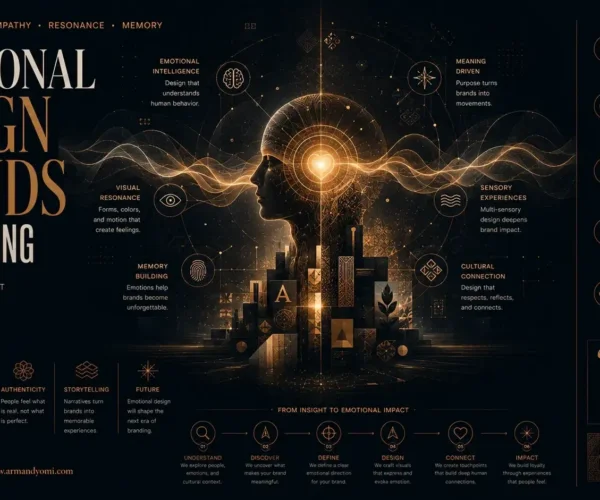
Emotion matters because people rarely choose on logic alone. Even in professional services, buying decisions are shaped by trust, aspiration, familiarity, and perceived fit. A strong brand creates confidence before the first conversation.
Performance matters because branding should not be treated as art for art’s sake. It should help your business gain traction. It should sharpen your message, improve recognition, support pricing, strengthen retention, and make marketing more efficient.
For example, a product with thoughtful packaging identity can earn more attention on a crowded shelf. A service brand with a clear tone and visual system can present more authority online. A founder-led business with strong storytelling can become more memorable in a competitive local market.
This is where design and strategy should meet. Design that tells your story is powerful. Strategy that grows your brand is what makes that story work in the market.
When to work on branding first, and when identity comes first
In an ideal process, branding strategy and identity development inform each other. In reality, businesses move at different speeds.
If your business is new, branding strategy should come first or at least happen alongside identity. You need enough clarity to build the right system.
If your business is established but visually inconsistent, identity may be the urgent priority. You may already know your market and value, but your presentation no longer reflects your level.
If your business has changed direction, both likely need attention. A shift in audience, offer, or ambition often requires a reset in how the brand is positioned and expressed.
This is why the right approach is rarely one-size-fits-all. Some businesses need a full brand foundation. Others need an identity refresh anchored by a sharper message. The smartest process is the one that matches your current stage, not the one that sounds most impressive.
What to ask before investing in branding and identity
Before you hire a designer or agency, ask a few harder questions. What do you want to be known for? Who are you trying to reach? What feels unclear in your current brand? Where are you losing trust, attention, or consistency?
If the answers are vague, that is useful information. It means the work should begin with strategy. If the answers are clear but the execution feels scattered, identity may be the missing piece.
A good branding partner should be able to see both sides. Not just how to make the brand look stronger, but how to make it mean something sharper in the market. That combination matters because brands are not built by visuals alone, and they are not sustained by strategy alone.
At Armand Graphix, that intersection between story, design, and market performance is where the strongest work happens.
Branding is not a surface upgrade. Identity is not just decoration. Together, they shape how your business is recognized, remembered, and chosen. If you treat them with that level of intention, your brand stops feeling like a set of assets and starts behaving like a real advantage.